Image Credit: Canva
Note from The Tennessee Conservative: Editorial statements in this column are the sole opinion of the author; they do not necessarily reflect the opinions of the staff of this publication.
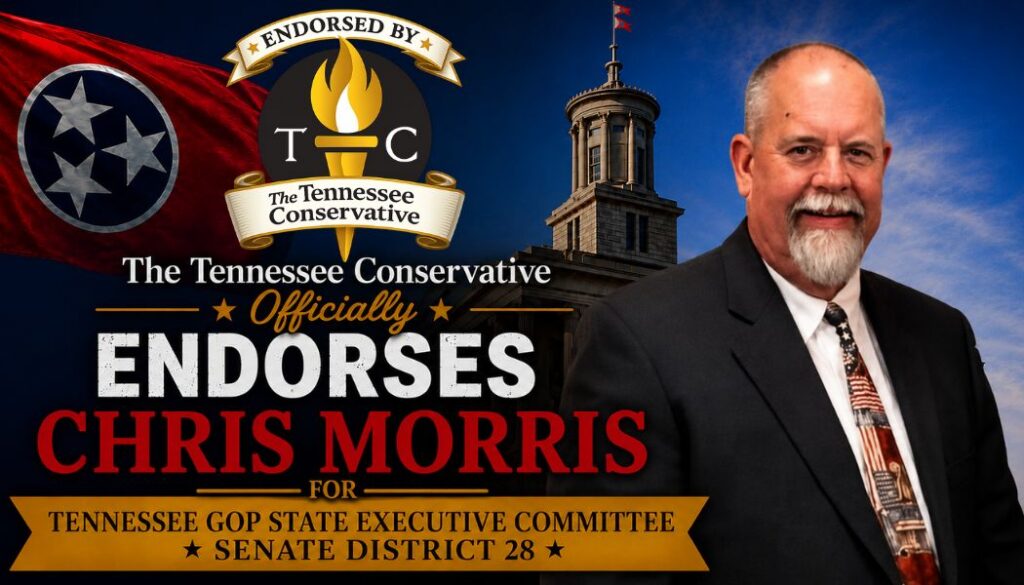
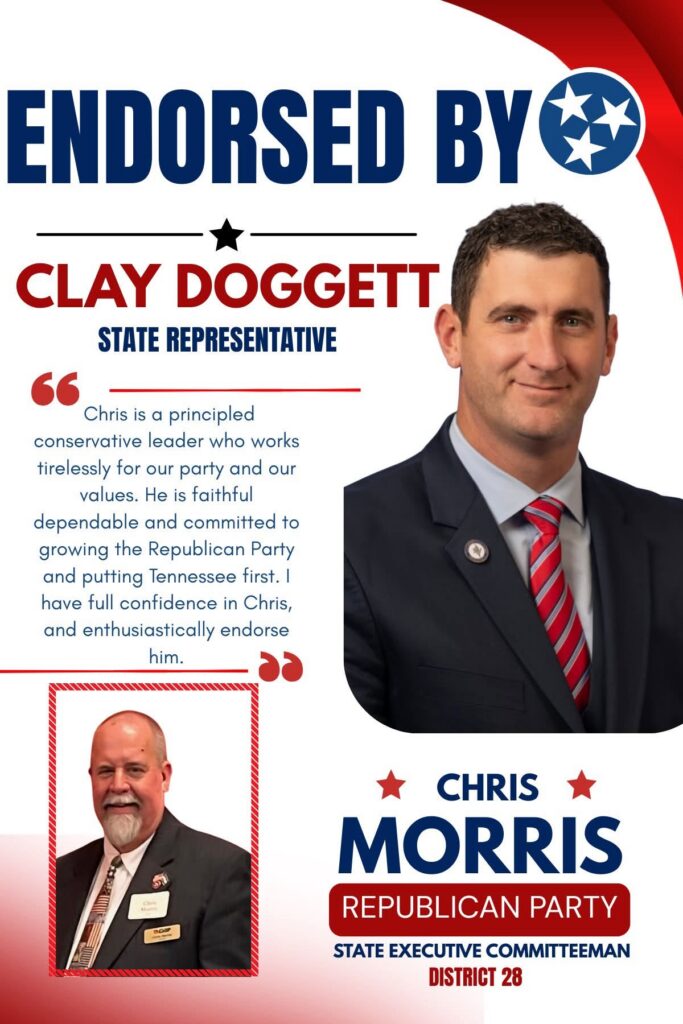
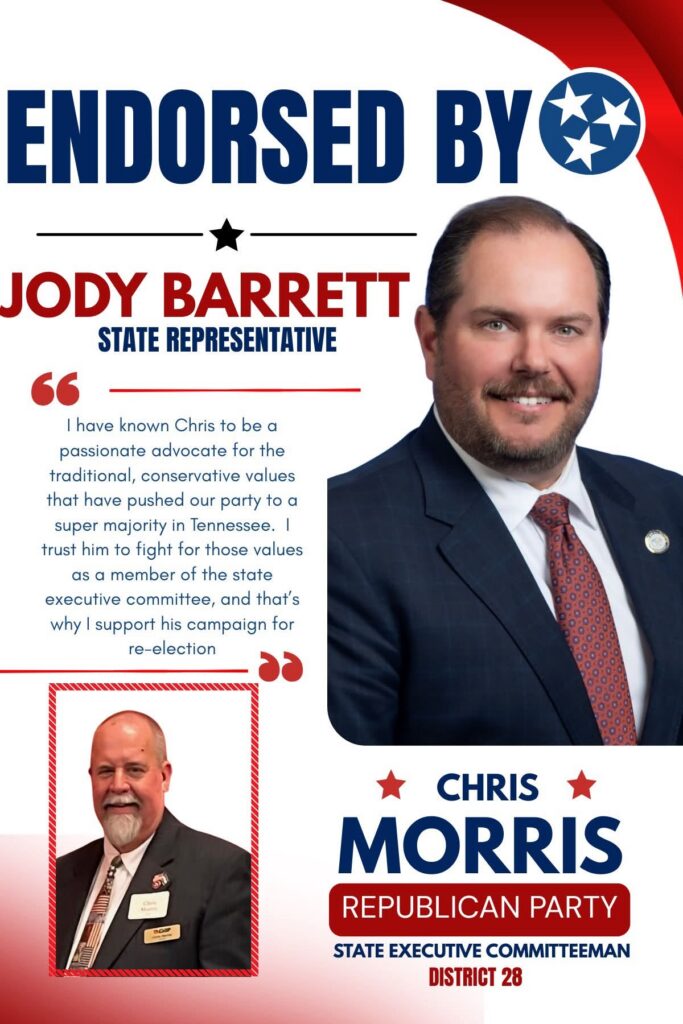
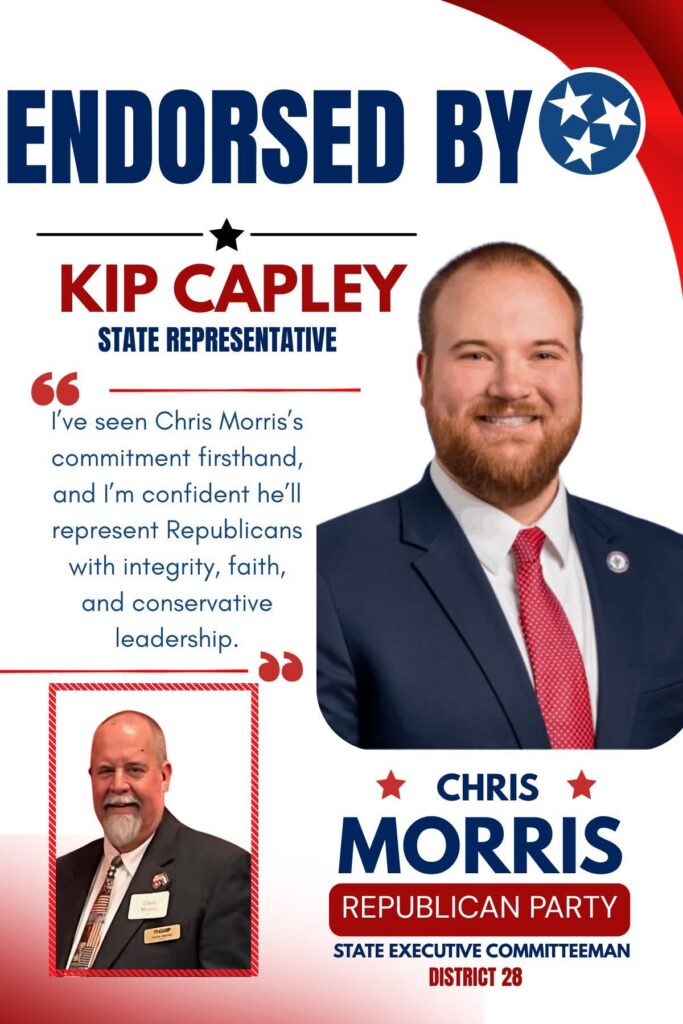
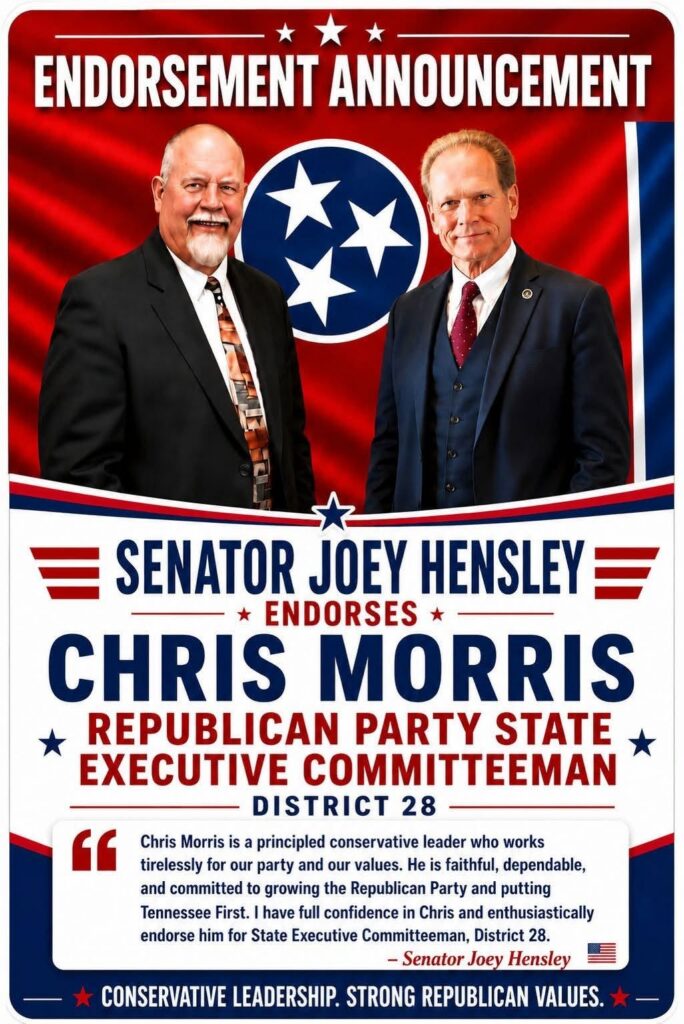
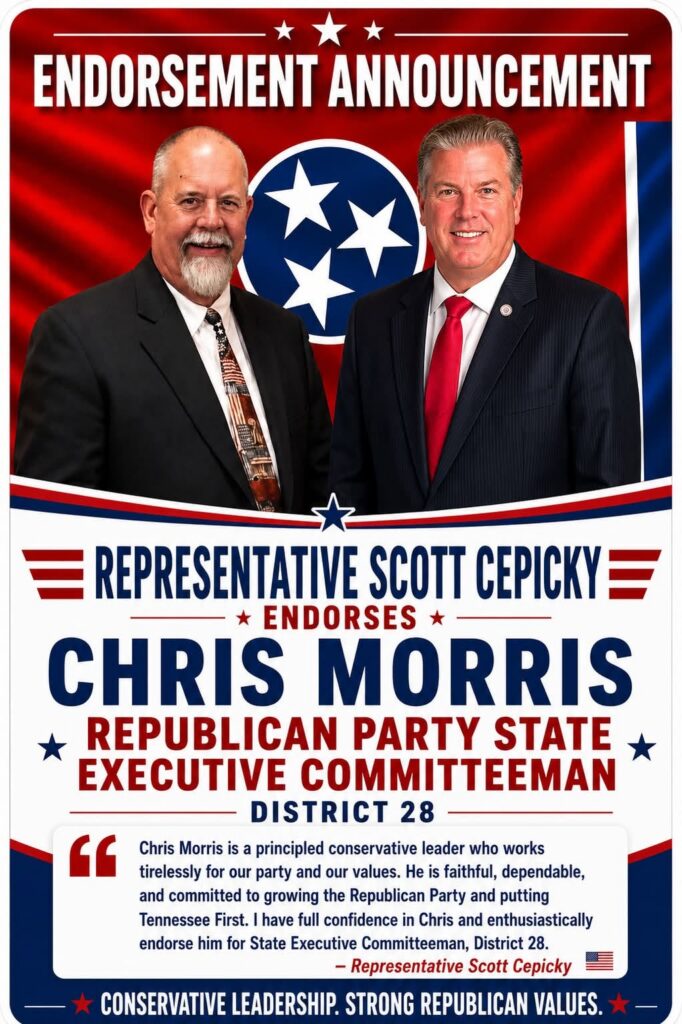
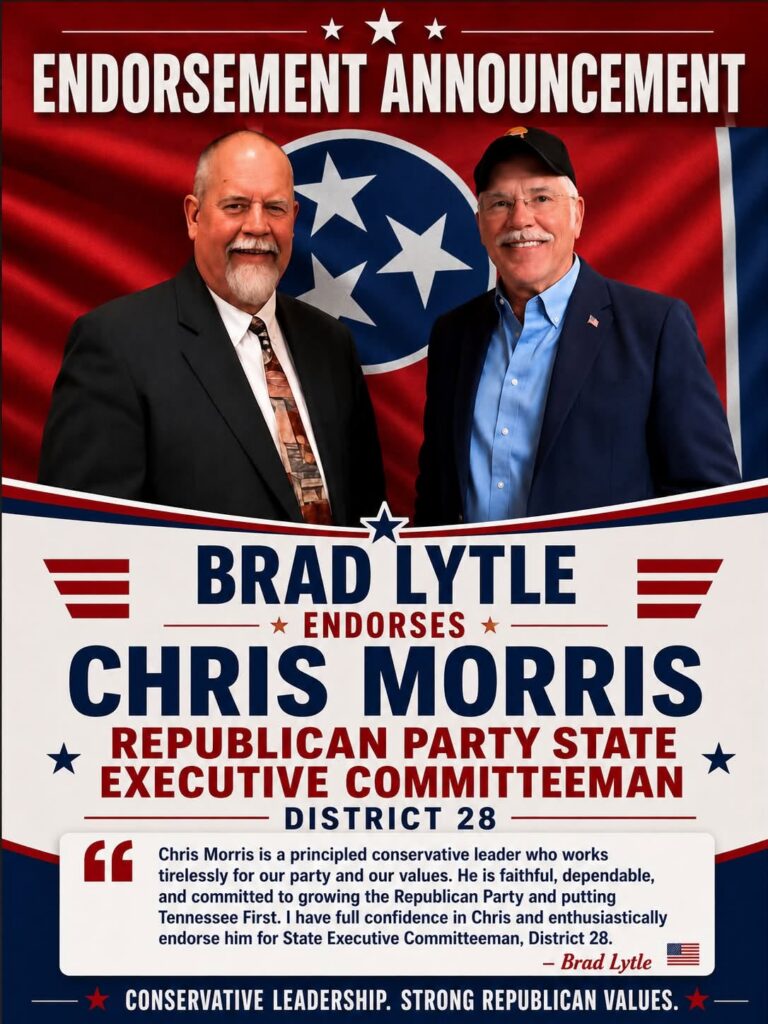
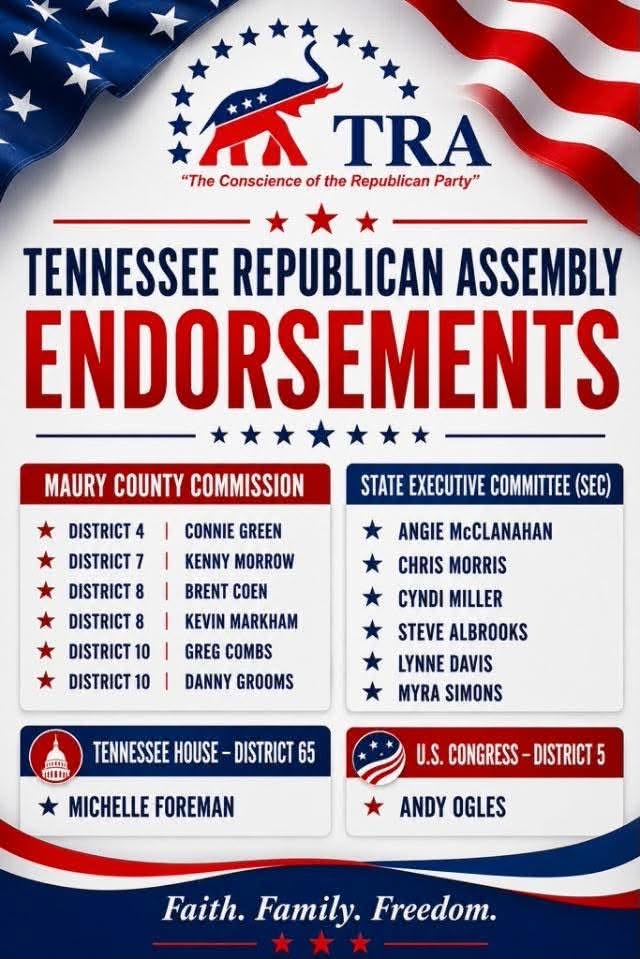
Submitted by Chris Morris Tennessee Republican Party State Executive Committeeman, District 28 –
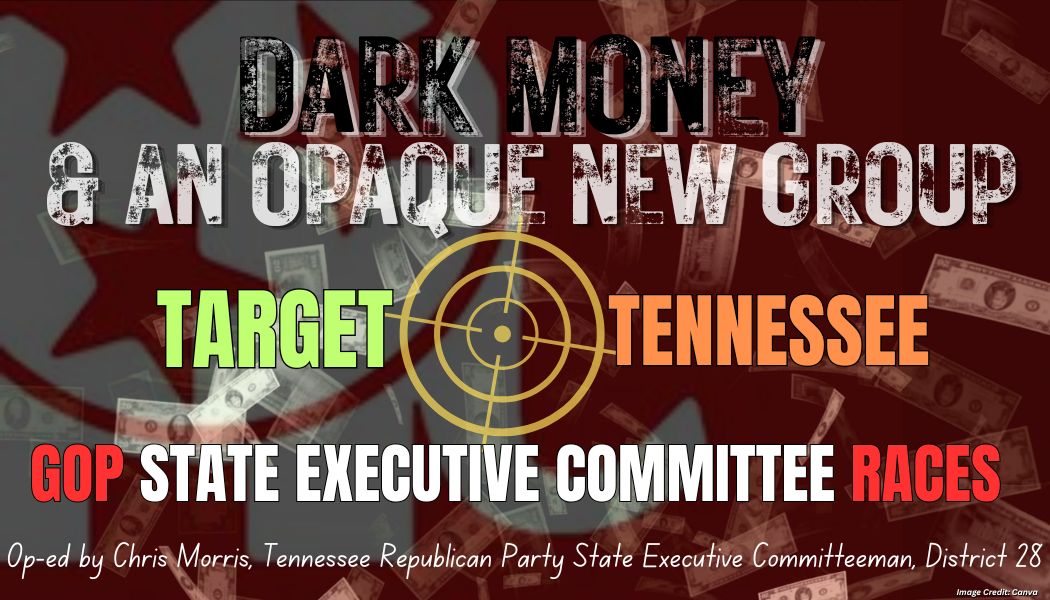
A brand-new organization calling itself Tennessee First Action has suddenly appeared and begun spending money to influence multiple races for the Tennessee Republican Party’s State Executive Committee—the body that sets party rules, handles credentials, and shapes how the TNGOP operates. I am one of the incumbents facing a challenger backed by this group.
Tennessee First Action’s Facebook page launched only about six days ago. It lists itself as a “Political Organization,” carries the tagline “Standing for Tennessee,” and currently shows just a handful of followers (reported as low as three). Its website, tnfirstaction.org, is essentially an empty landing page with a logo and the phrase “Standing up for Tennessee,” plus a paid-for-by disclaimer. There is no “About” section, no leadership listed, no contact information beyond the disclaimer, and no public explanation of who is behind it or where the money originates.
Yet this nearly invisible entity is already running professional Facebook advertisements supporting several SEC candidates: Stephanie Radford in District 3 (challenging Anita Hodges-Taylor), Mary Kate Brown and Steven Tyler Giorno in District 27 (challenging Cyndi Miller and Steve Allbrooks), Derek Truelove in District 17 (challenging Brad Lytle), and Dennis Driggers in my own District 28. The ads feature polished graphics, candidate photos (including one of Giorno with former President Trump), and clear express advocacy language such as “for State Executive Committeewoman/man.” Meta’s Ad Library shows multiple active versions that began running around July 19, 2026, with individual reported spends in the $300–$699 range and impression counts of 20,000–35,000 per ad set. For low-profile party committee races, this is not trivial spending, and the activity continues. In Williamson County, voters also received text messages on July 17 (the first day of early voting) and again on July 20. These messages show no responsible party or disclaimer, raising suspicion these too may have come from Tennessee First Action.
Compounding the opacity is the apparent absence of any registration for “Tennessee First Action” with the Tennessee Registry of Election Finance. Under Tennessee law, a group that receives contributions or makes expenditures exceeding $1,000 in a calendar year to support or oppose candidates for public office is required to register as a political campaign committee, appoint a treasurer and responsible officers, and file disclosure reports. The independent-expenditure disclaimer on the ads (“not authorized by any candidate or candidate’s committee”) does not eliminate those obligations once the threshold is crossed. Facebook advertising costs real money; the volume and professional quality of the current buys raise legitimate questions about whether registration and reporting requirements have already been triggered. As of this writing, searches of the state’s online campaign finance database and related records turn up no such filings under that name.
My opponent, Dennis Driggers, filed a second-quarter campaign finance report around July 10 covering April 1–June 30. It shows a balance of approximately $180, virtually no receipts for the period, and outstanding loans. The following day a professionally designed campaign website launched. Signs and other materials have also appeared. These developments, coming so quickly after a near-empty report, invite scrutiny of whether in-kind support or outside expenditures are being properly accounted for.
Mary Kate Brown’s donors, by contrast, include a number of recognizable Williamson County establishment figures—sitting elected officials, developers, construction interests, and related PACs—though her filings sometimes omit full first names or list occupations as unknown. Brown is an experienced political operative with a documented history of involvement in political campaigns. This reporting suggests a desire to conceal identities or otherwise obscure her donors.
This is not occurring in isolation. Williamson County has seen repeated episodes in which outside or concentrated money and insider networks have shaped outcomes—most recently in the county mayor’s race, and earlier in efforts that complicated the 2025 party reorganization when the dark money Williamson County Conservatives PAC spent over $60,000 attempting to influence the most recent reorganization. Similar dynamics have played out at the legislative level with outside the state money pouring into House & Senate races to crush opponents under a blizzard of mailers, texts, and robocalls. It is clear that money is buying influence and action for shadowy figures and causes across the state.
The SEC is the party’s rule-making body. This begs the question why the sudden interest by establishment figures in these SEC seats? The answer is likely a desire to control access to the ballot to only those approved by the real party elites—the rich and powerful figures around the state and the political aristocracy who serve them.
Tennesseans have repeatedly shown they dislike opaque outside money deciding contests when they learn about it. The sudden appearance of a near-anonymous spending vehicle with no public leadership, no disclosed donors, a shell website, a brand-new social-media page, and a coordinated advertising and texting effort across multiple districts should prompt hard questions. Who is funding Tennessee First Action? Why the secrecy? And what is the longer-term objective regarding the structure and openness of the Republican Party in Tennessee?
I encourage voters in the affected districts to examine the candidates, the funding sources that can be documented, and the records of those seeking to rewrite the rules of the party. Transparency is not optional when the future direction of the TNGOP is at stake. Early voting is underway; the primary is August 6. Demand answers before the votes are cast.
(Chris Morris is the incumbent Republican State Executive Committeeman for District 28. This piece reflects his personal observations and concerns based on publicly available information and campaign materials as of July 21, 2026.)


One Response
The principals of this cabal NEED identified and EFFECTIVELY “dealt” with.